
By ZMT Primary Healthcare Network |
zmtclinics.org
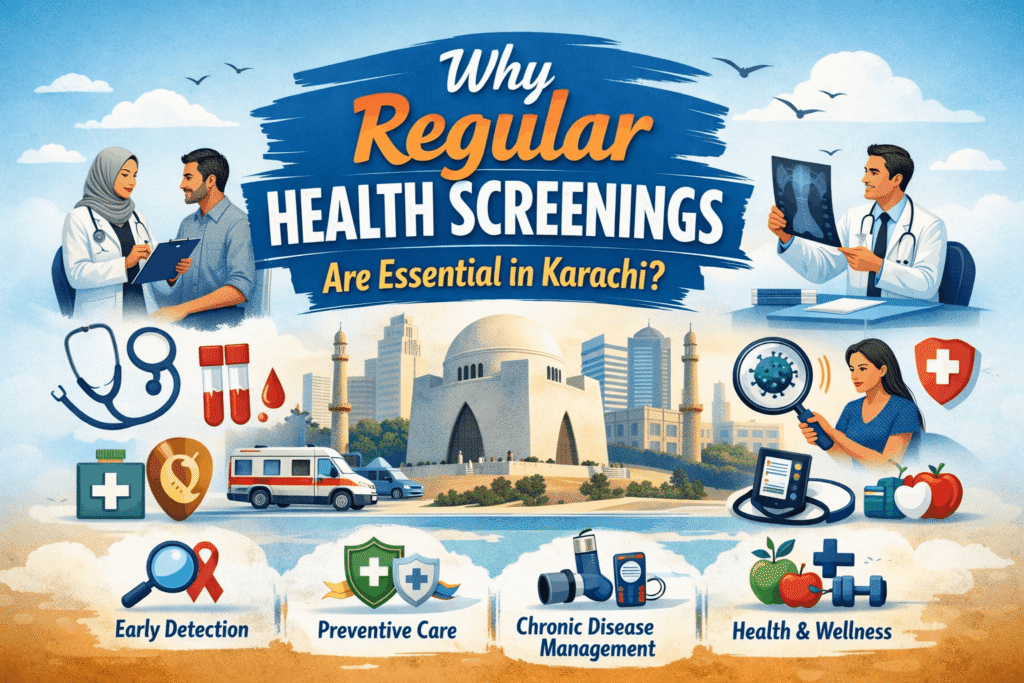
If someone told you there was a way to dramatically reduce your risk of dying from the most common diseases in Pakistan — at little to no cost — would you use it?
Most people would say yes. Yet the majority of Karachi’s residents never do.
The tool is regular health screening. And in a city of 20 million people, where non-communicable diseases like hypertension, diabetes, and cardiovascular disease are rising rapidly alongside persistent infectious diseases like tuberculosis and Hepatitis C, routine screening is not just a good idea — it is a public health emergency.
At ZMT Clinics, we’ve built our entire approach around preventive care. Our 45 clinics across Karachi’s most underserved communities are designed specifically to reach the people most likely to be living with undetected diseases — and least likely to find out without our intervention.
This article explains why regular screenings matter specifically in Karachi’s context, what the data tells us, what screenings you should be getting, and how ZMT — supported by Zakat and Sadaqah donors — is delivering these screenings to those who need them most.
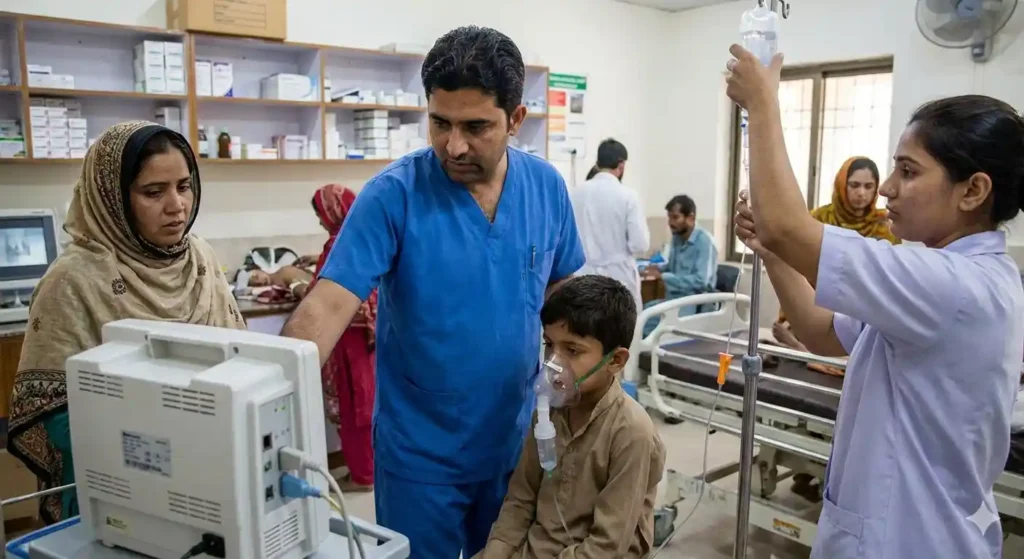
Karachi’s Unique Disease Burden: Why Screening Is Urgent Here
Karachi is not a typical city. It is a megacity of extremes — extraordinary wealth sitting next to extraordinary deprivation — and its disease profile reflects this complexity.
The Non-Communicable Disease Surge
Pakistan is experiencing what epidemiologists call a “double burden” of disease: the traditional infectious diseases of the developing world, combined with the rising chronic diseases of urbanization and lifestyle change.
In Karachi’s urban population:
- Hypertension prevalence is estimated at 25–35% — yet awareness among hypertensive individuals is below 50%.
- Type 2 diabetes affects approximately 15–20% of adults, with millions more in the pre-diabetic range.
- Cardiovascular disease is the leading cause of death, often striking at younger ages than in developed countries.
- Obesity and metabolic syndrome are rising rapidly, particularly among urban women.
- Cervical cancer is among the most common female cancers — and almost entirely preventable through early screening and vaccination.
The Infectious Disease Reality
Pakistan also faces a persisting burden of infectious diseases that screening can detect before they become untreatable:
- Hepatitis C affects an estimated 5% of Pakistan’s population — one of the highest rates in the world. Most are unaware of their infection.
- Tuberculosis (TB) remains endemic, with Pakistan among the top 5 countries globally for TB burden.
- Hepatitis B is highly prevalent and often asymptomatic for years before causing severe liver disease.
The Maternal and Child Health Gap
Pakistan’s maternal mortality rate of approximately 178 per 100,000 live births is among the highest in Asia. Much of this is preventable through antenatal screening. Childhood malnutrition affects over 40% of Pakistani children — largely detectable through routine growth monitoring.
The pattern is clear: Karachi faces a massive, multi-directional disease burden. And most of it is screened for — and interceptable — before it becomes fatal.
What “Screening” Actually Means (And What It Doesn’t)
Let’s clear up a common misconception.
A health screening is not the same as a diagnosis. It is a systematic assessment of apparently healthy people to detect disease or risk factors at an early stage — before symptoms appear.
The goal of screening is not to find disease in sick people. It is to find disease in people who don’t yet know they are sick.
This distinction matters because: – Many of the most dangerous conditions (hypertension, diabetes, Hepatitis C, early cancer) are asymptomatic for years – By the time symptoms appear, the disease has often caused significant damage – Early detection dramatically improves treatment outcomes and survival rates
Screening is population-level medicine — it only works if enough people participate. A single clinic screening one patient does limited good. ZMT’s network of 45 clinics, systematically screening hundreds of thousands of patients annually, creates real population-level impact.
The Evidence: What Screenings Save Lives in Pakistan’s Context?
Not all screenings are equal. Let’s look specifically at the evidence for the screenings most relevant to Karachi’s disease burden.
1. Blood Pressure Screening
Hypertension is called the “silent killer” because it causes no symptoms until it kills.
Regular BP screening is the single most cost-effective intervention in cardiovascular disease prevention. Studies consistently show that blood pressure measured, treated, and controlled reduces the risk of stroke by 35–40% and heart attack by 20–25%.
In Karachi’s underserved communities, where many adults have never had their blood pressure checked, this intervention is genuinely life-saving.
2. Blood Glucose Screening
Pre-diabetes is reversible. Early Type 2 diabetes is manageable. Late-stage diabetes with complications — retinopathy, nephropathy, neuropathy, foot ulcers — is devastating, expensive, and profoundly disabling.
Fasting glucose and HbA1c testing, done routinely in at-risk individuals, catches diabetes early when lifestyle interventions and basic medications can prevent disease progression entirely.
3. Hepatitis C Screening
Pakistan’s Hepatitis C crisis is a public health emergency. The good news is that modern treatment (Direct Acting Antivirals) cures Hepatitis C in over 95% of cases. The bad news is that most infected people in low-income communities are unaware of their infection.
ZMT’s Hepatitis C screening and treatment program is one of the most impactful things we do. We screen, identify, and cure — entirely for free. To understand the full scope of this program, see our Comprehensive Guide to ZMT Primary Healthcare Services.
4. Antenatal Screening
The package of tests offered to pregnant women — blood pressure, hemoglobin, blood glucose, Hepatitis B/C, urine protein — saves two lives simultaneously: mother and child.
Antenatal screening is one of the highest-value healthcare interventions in any low-income setting. ZMT provides it routinely across all 45 clinics.
5. Child Growth Monitoring
Malnutrition in childhood is not always visible. A child can be underweight or stunted while appearing to eat regularly. Systematic weight and height monitoring, plotted against WHO growth charts, identifies malnutrition before it causes permanent cognitive and physical damage.
ZMT’s Malnutrition Program grew from exactly this insight — routine screening revealing a problem that required a dedicated response.
6. Tuberculosis Screening
Pakistan is a high-burden TB country. TB is curable — but only if detected. Persistent cough, unexplained weight loss, night sweats, and low-grade fever in a high-prevalence setting should trigger TB screening. ZMT clinics conduct sputum testing and refer for formal TB diagnosis and treatment.
Infographic: Recommended Screening Schedule for Adults in Karachi
[Suggested infographic: A table showing recommended screening type, target group, frequency, and what it detects. E.g., Blood Pressure: All adults 18+, every clinic visit or annually; Blood Glucose: Adults 30+ or overweight, annually; Hepatitis C: All adults in high-risk areas, once plus if risk factors; Hemoglobin: Pregnant women, all three trimesters; etc.]
The Barriers to Screening in Karachi’s Underserved Communities
If screenings are so valuable, why don’t more people get them?
The barriers are real and structural:
1. Cost: Even “affordable” screening at private clinics costs Rs. 500–2,000+ per test. For a daily laborer earning Rs. 1,000–1,500 per day, this is prohibitive.
2. Time: Attending a clinic means missing work. For families living on daily wages, this is a real disincentive — even for care that could save their lives.
3. Geographic access: Many of Karachi’s informal settlements lack nearby clinics. Traveling to a distant hospital requires fare, time, and energy that many cannot spare.
4. Awareness: Many residents — particularly women with limited education and social mobility — are simply unaware of the importance of preventive care or what screenings they should seek.
5. Cultural barriers: Stigma around certain conditions (mental health, sexual and reproductive health, HIV) discourages people from seeking screening for these issues.
6. Trust deficit: Past negative experiences with dismissive, hurried, or discriminatory healthcare providers create reluctance to seek care.
ZMT’s model directly addresses all of these barriers: – Services are free or at nominal cost – Clinics are located within communities, minimizing travel – We invest in patient education and community awareness – We train our staff to treat every patient with dignity and respect
How ZMT Is Systematically Screening Karachi’s Most Vulnerable
ZMT doesn’t wait for patients to come to us in crisis. We actively build screening into every encounter:
- Every OPD visit includes vital signs measurement — BP, pulse, weight — regardless of the reason for the visit
- Every pregnant woman receives the full antenatal screening package
- Every child under 5 receives growth monitoring and developmental assessment
- At-risk patients are proactively recommended blood glucose, Hepatitis C, and other targeted screenings
- Community outreach brings screening to patients who may not otherwise visit the clinic
This systematic approach means that tens of thousands of patients who come to ZMT for an entirely different reason leave having had their blood pressure checked, their pregnancy screened, or their child’s growth assessed.
It is this embedded, routine quality of screening that makes ZMT not just a reactive clinic but a genuinely preventive healthcare system.
The Role of Your Zakat and Sadaqah in Funding Screenings
Every screening that ZMT conducts costs something:
- A blood glucose test costs Rs. 200–400 in reagents and staff time
- A blood pressure machine must be regularly calibrated and maintained
- An antenatal consultation costs in physician time, consumables, and follow-up
- A Hepatitis C antibody test costs Rs. 400–800
When tens of thousands of patients are screened annually — and most pay nothing or very little — this cost is borne entirely by ZMT’s donors.
When you donate your Zakat to ZMT, you are funding the systematic screening that catches silent diseases before they kill. When you give Sadaqah, you are funding the maternal screening that keeps mothers alive through childbirth. When you give charity to ZMT, you are funding the child growth monitoring that prevents a generation from growing up stunted.
This is healthcare charity at its most impactful — not just treating illness after the fact, but preventing it from reaching the catastrophic stage in the first place.
ZMT is a recognized Zakat-eligible NGO operating in full compliance with Islamic financial principles. Your Zakat directed to ZMT goes entirely to those who qualify as its beneficiaries.
When Should You Get Screened? A Practical Guide
Here’s practical guidance for Karachi residents on when to seek screening:
Adults (18+): Blood pressure checked at every clinic visit or at minimum annually. Blood glucose annually if overweight, sedentary, or with family history of diabetes.
Adults in high-risk areas: Hepatitis C screening at least once; more frequently if you have had blood transfusions, injections with shared needles, or dental procedures at informal settings.
Women of reproductive age (15–49): Antenatal care from the first trimester of every pregnancy. Postnatal check within 6 weeks of delivery.
Children (0–5): Growth monitoring and developmental assessment at every well-child visit. Immunization status review at 6 weeks, 10 weeks, 14 weeks, 9 months, and 18 months.
Adults 40+: Cardiovascular risk assessment including lipid profile, BP, glucose. Diabetes management review if already diagnosed.
Affordable and accessible? At ZMT clinics — yes, all of the above.
For more details on what a health check-up at ZMT involves, read How Our General Health Check-Ups Save Lives and Affordable Health Check-ups in Karachi: What You Need to Know.
The Bigger Picture: Screenings as an Act of Community Care
There’s a perspective on regular screenings that goes beyond individual benefit.
When one person in a household discovers their Hepatitis C and gets cured, they stop transmitting to family members. When a mother’s antenatal care catches gestational diabetes and she delivers safely, her child is less likely to develop metabolic disease. When a child’s malnutrition is identified and treated, their cognitive development is protected — and they become a more capable adult, parent, and community member.
Screenings are not just personal healthcare decisions. They are community acts.
And in a city like Karachi — where inequality in health outcomes is stark, where preventable deaths are common, and where the healthcare system has chronically underinvested in prevention — systematic screening delivered by organizations like ZMT is one of the most important public health interventions possible.
Final Thoughts
Karachi’s healthcare crisis is not primarily a shortage of doctors, hospitals, or medicines. It is a shortage of prevention.
Regular health screenings — accessible, affordable, systematic, and delivered with dignity — are the most powerful tool we have for changing this.
ZMT has built a screening infrastructure across 45 clinics in Karachi’s most underserved communities. It runs on the generosity of Zakat and Sadaqah donors who believe, as we do, that every person deserves the chance to know what is happening in their body — and to do something about it before it’s too late.
If you haven’t been screened recently — visit your nearest ZMT clinic.
If you want to support ZMT’s screening work — donate at zmtclinics.org.
Prevention is the best medicine. And in Karachi, ZMT is making it accessible to everyone.
ZMT Primary Healthcare Network — Quality primary healthcare for every woman and child in Pakistan. Donate your Zakat and Sadaqah at zmtclinics.org
