
Some charity keeps working long after the gift. At ZMT Primary Healthcare Network it funds vaccination, cures and the clinics that keep treating families across Karachi, given for yourself or in the name of someone you have lost.
Sadaqah jariyah is charity whose benefit continues after it is given, so its reward keeps reaching the giver, even after death. The Prophet, peace be upon him, said that when a person dies their deeds come to an end except three: ongoing charity, knowledge that benefits others, and a righteous child who prays for them (Sahih Muslim 1631).
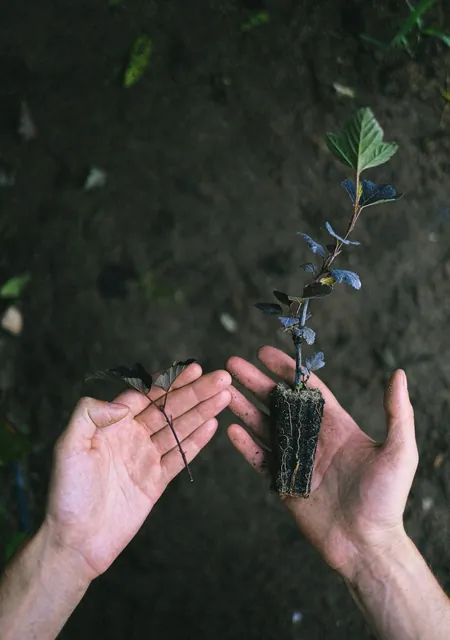
Jariyah means flowing, like water that keeps running. The examples scholars give are things that go on serving people: a well, a mosque, a tree whose fruit others eat, a book that keeps teaching. In Pakistan the same idea is often written sadqa e jariya or sadaqa jariya; the meaning does not change.
Healthcare fits the definition closely. A clinic that keeps its doors open treats new patients every day, equipment is used for years, and a child protected by vaccines carries that protection into adulthood. The question to ask of any lasting gift is simple: will this still be helping someone after I have given it?
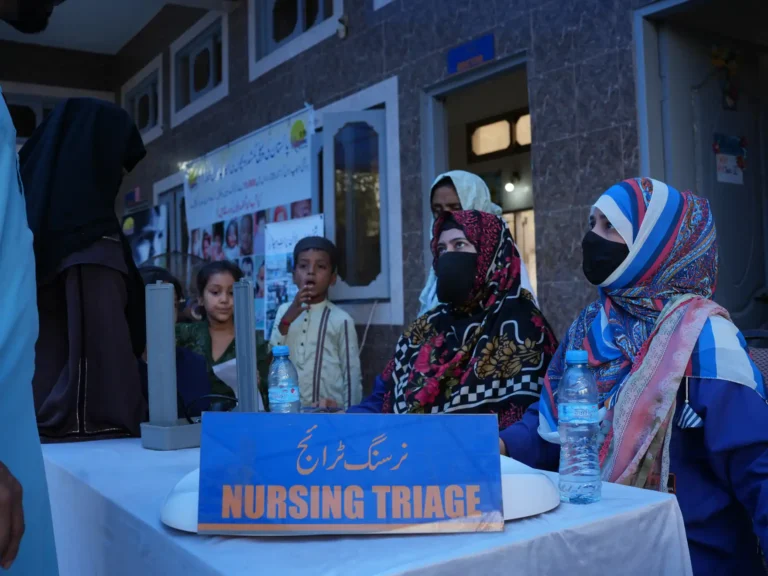

Healthcare lasts because the person treated keeps living the benefit. A child vaccinated today stays protected for years, and a parent cured of hepatitis C can work and look after a family again. At ZMT, the clinics delivering that care have run for more than a decade, so a gift joins something already built to last.
Behind each of those numbers is a clinic that will still be there next year. ZMT began with three clinics and, over the past decade, became a network of 33 clinics and 4 mobile eye clinics across Karachi, according to its about page. That continuity is what lets a single gift keep working.
Any gift that keeps care running counts. These six have published costs or a clear lasting benefit.
Keep a neighbourhood clinic seeing patients for a day, a month or a year. Options and costs are on the clinic sponsorship page.
Rs 3,885,000 sponsors one mobile clinic, according to the eye screening programme. It serves patient after patient.
Rs 1,200,000 a year runs the Itmenaan mental health programme in one ZMT clinic, counselling and treatment included.
Rs 5,000 funds complete vaccination and follow-up care for one child through the childhood vaccination programme.
Rs 7,000 pays for one PCR test, the step that confirms infection before treatment. See the hepatitis C elimination work.
A fixed amount every month keeps clinics staffed and stocked. Read why monthly giving sustains ZMT's clinics.
Yes. Charity given on behalf of a parent who has died reaches them, according to authentic hadith. A man told the Prophet, peace be upon him, that his mother had died suddenly and asked whether she would be rewarded if he gave charity for her, and he answered yes (Sahih al-Bukhari 1388, Sahih Muslim 1004).
Sadaqah jariyah for parents is one of the most meaningful ways to honour them, because the benefit keeps going in their name. Choose a project whose effect lasts, such as a child's full course of vaccines or a month of a clinic's running costs, and make the intention for your mother, father or both.
The same applies to a spouse, a child, a grandparent or a friend. Sadaqah jariyah for the deceased does not need to be large to be real: what matters is the intention and that the gift keeps helping someone.

Yes, and it is the clearest form. The hadith in Sahih Muslim 1631 describes the giver's own ongoing charity continuing after death, so a lasting gift made in your own lifetime counts for you. You can also dedicate a gift to a living parent, spouse or child.
Giving now has a practical advantage: you choose the project, see it working and can add to it over the years. You can combine a one-time gift with a small monthly amount, so that the project they started keeps being funded.
Islamic law allows a bequest, or wasiyyah, of up to one third of an estate to people who are not heirs, including charity. The limit comes from the Prophet's advice to Sa'd ibn Abi Waqqas, "one third, and one third is a lot" (Sahih al-Bukhari 2742). If you would like part of your estate to support ZMT's clinics, speak to a scholar and a lawyer about the wording, and contact ZMT on 0323-2115770 so the gift can be received as you intend.
You give ongoing charity to ZMT by transfer to the general donation account with the name of the person it is for in the reference, then upload the receipt on the donation page. Doorstep collection in Karachi is available on +92-21-34981242.
Pick a project from the list above, or leave it to ZMT to place your gift where care is needed most.
Decide whether to give once, or set a standing instruction in your banking app for a fixed monthly amount.
Send it to IBAN PK26MPBL0137027140162322 and write your name, or the name of the person it honours, in the reference.
Attach the slip on the donation page with your email. ZMT emails an e-receipt you can keep with family records.

Zakat and jariyah giving are different acts. Zakat is an obligation owed to eligible people each year, while jariyah giving is voluntary and can fund lasting things like equipment and clinic running costs. Pay the zakat you owe first, into the zakat account, and give your lasting gift on top from the general account.
Keeping them apart protects both. Your zakat is spent on screened, eligible patients, as the ZMT zakat page explains, and your jariyah gift can support the clinics themselves. If you are unsure which a gift should be, the difference between the two and ordinary voluntary sadaqah is set out on that page.
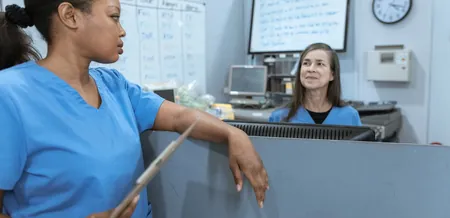
ZMT keeps gifts working by running the same clinics and programmes year after year, funded by donations and zakat from individual and corporate supporters. It began with three clinics, now runs 33, and publishes an annual report each year, so you can see the work your gift joins.
The 2023-24 report records 1,187,190 outpatient visits and 1,452,883 patients benefited. The vaccination and eye screening programmes have run since 2011, and the hepatitis C and mental health programmes since 2019, and the malnutrition programme since 2022. Past reports are in the annual reports archive, and registrations, including the Sindh Trust Act 2020, the Sindh Charity Commission and PCP certification, are on the certifications page.
Ongoing charity can also be given as time and skill. Doctors, nurses and people from every other field can offer their knowledge through ZMT's volunteer programme, which connects with the second of the three deeds in the hadith: knowledge that benefits others.
Jariyah means flowing, so the phrase means ongoing charity: a gift whose benefit continues after it is given, so its reward continues too, even after the giver has died. Classic examples are a well, a mosque or a book. In healthcare, a clinic's running costs or a child's full vaccination course are clear examples.
Yes. They are different spellings of the same Arabic phrase. Sadqa e jariya and sadaqa jariya follow Urdu usage, with the Persian e joining the two words, while sadaqah, ending in h, is closer to the Arabic. All of them mean charity whose benefit and reward continue.
Examples of ongoing charity in healthcare include funding a clinic's running costs, sponsoring a mobile eye clinic, paying for a child's complete vaccination course, supporting a mental health programme for a year, and providing equipment that is used for years. At ZMT, each of these has a published cost or a lasting benefit.
Yes. You can give a lasting gift in the name of a living or deceased parent, spouse, child or friend. Make the intention for them, then write their name in the bank transfer reference and the donation form. The e-receipt goes to your email so your family has a record.
No. Any amount counts if it funds something that lasts. At ZMT, Rs 5,000 pays for a child's complete vaccination and follow-up, and a small monthly gift helps keep a clinic staffed. Larger gifts, such as Rs 1,200,000 for a year of the Itmenaan programme in one clinic, simply last longer.
Yes. Siblings, cousins or a whole family can combine their sadaqah into one gift, for example in memory of a grandparent. Use one transfer reference with the name you are honouring, and let ZMT know on 0323-2115770 if you are planning a large combined gift.
A monthly donation counts as ongoing charity when it funds something with lasting benefit, such as the running of a clinic that keeps treating patients. The intention matters: make it for ongoing charity. A standing instruction in your banking app is the simplest way to keep the gift going without missing a month.
Teaching or sharing beneficial knowledge is named in the same hadith as ongoing charity, so skills that keep helping others can carry a lasting reward. ZMT welcomes medical and non-medical volunteers through its Give Time form, and the team gets in touch after you register.
Yes. Overseas donors can send their gift by international transfer to ZMT's general account, IBAN PK26MPBL0137027140162322, with SWIFT code MPBLPKKA037. Add the name you are giving for in the reference, then upload the transfer receipt on the donation page to receive an e-receipt by email.
Yes. After you upload proof of payment on the ZMT donation page with your name, email and amount, ZMT emails an e-receipt. If the gift is in memory of someone, keep the receipt with the family's records. It can also support a tax credit claim, because ZMT is approved under section 2(36)(c).
All sadaqah is voluntary charity. The jariyah kind is the one whose benefit continues over time, such as a clinic or a vaccination course, while ordinary sadaqah may meet a need once, such as one day's medicines. Both are rewarded; the jariyah kind keeps earning reward for as long as it keeps helping.
Yes. Islamic law allows a bequest of up to one third of an estate to people who are not heirs, including charities, based on the hadith of Sa'd ibn Abi Waqqas in Sahih al-Bukhari 2742. Ask a scholar and a lawyer to word it, and name ZMT Primary Healthcare Network as the recipient.
Give once or every month, for yourself or for someone you miss, and your gift keeps treating patients across Karachi.
